
The Distance Between a Good Idea and a Useful Tool
Building reading intervention tools for older students as a nontechnical educator using AI. This week, research on explicit instruction changed the entire approach. Science of Reading training is widespread in K–5, but teachers still lack tools that fit their students. By middle and high school, teachers often have neither training nor tools. The gradual release model offers a middle ground: teachers deliver short explicit instruction, the app handles practice afterward. Documenting the build in real time.

Stop Treating AI Like Training. Start Treating It Like Change Management.
AI implementation in schools isn’t about finding the “best” platform—it’s about change management. This article breaks down what actually drives teacher adoption of new AI tools: protected time, shared language, clear purpose, leadership follow-through, and permission for a realistic learning curve. When those conditions exist, teachers experiment, reflect, and improve practice—even with imperfect tools.
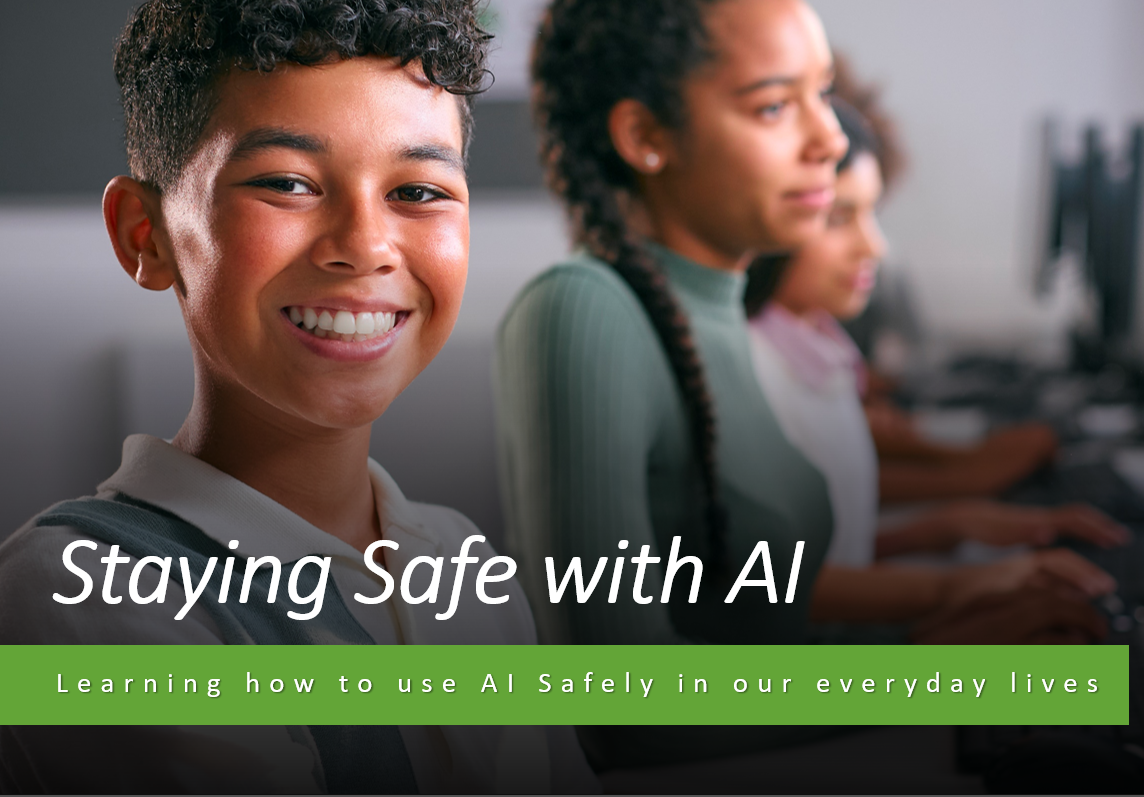
AI Safety for Students: A 45-Minute Teacher PD You Can Run This Week
AI Safety teacher PD for K–12 schools: a practical 30–45 minute staff training that aligns shared language and classroom routines for student privacy, personal identifying information, app permissions, digital footprints, deepfakes, misinformation, and verification. Includes a ready-made Gamma presentation and printable notetaker to implement immediately.

Why I’m Doubling Down on PLCs and What’s Coming Next
Discover how Professional Learning Communities (PLCs) can drive effective AI implementation in schools. Learn why both edtech companies and school systems are underprepared for the mindset shift AI requires—and how structured PLCs can bridge the gap through collaboration, reflection, and sustained support.